

The Complete Guide to Mobile Optimization for Limousine and Service Businesses
What is Mobile Optimization and why does it matter for your business?
Mobile Optimization is the process of making your website work fast, look great, and convert visitors on smartphones and tablets. As of 2024, more than 60% of all web traffic comes from mobile devices, according to industry tracking data, and Google uses mobile-first indexing to rank every website it crawls.
For limousine companies, car services, and other local service businesses, this matters in a direct, dollars-and-cents way. A potential customer searching for a limo on their phone at 9 p.m. will leave your site in under 3 seconds if it loads slowly or looks broken on their screen. That booking goes to a competitor instead.
Limo SEO and limo web design have both shifted heavily toward mobile performance as a ranking signal. Google’s mobile-first indexing policy, fully rolled out by 2023, means the mobile version of your site is the version Google evaluates for rankings. If your desktop site looks perfect but your mobile experience is slow or cluttered, your search rankings suffer.
What types of mobile optimization does a limo or service website need?
Mobile optimization covers at least 5 distinct technical and design areas, and a limo or service business website typically needs all of them addressed together to see real results.
- Responsive design: Your site layout automatically adjusts to fit any screen size, from a 6-inch phone to a 13-inch tablet, without horizontal scrolling or cut-off text.
- Page speed: Pages should load in under 3 seconds on a 4G connection. Google’s Core Web Vitals measure this with three specific scores: LCP (Largest Contentful Paint), FID (First Input Delay), and CLS (Cumulative Layout Shift).
- Tap-friendly navigation: Buttons and links need to be large enough to tap accurately on a touchscreen, with at least 48 pixels of height per tap target.
- Readable text: Font sizes should be at least 16px on mobile so users never need to pinch and zoom to read your service descriptions or pricing.
- Click-to-call integration: Phone numbers on mobile pages should be hyperlinked so a tap immediately dials your number. This is especially critical for limo service keywords where customers want to book fast.
- Optimized images: Photos compressed and served in next-gen formats like WebP reduce load time without sacrificing visual quality, which matters for limo website design where fleet photos are a selling point.

How does the mobile optimization process actually work?
A professional mobile optimization project follows a clear sequence: audit, plan, implement, test, and monitor. Skipping the audit phase is the single most common reason optimization projects fail to move the needle.
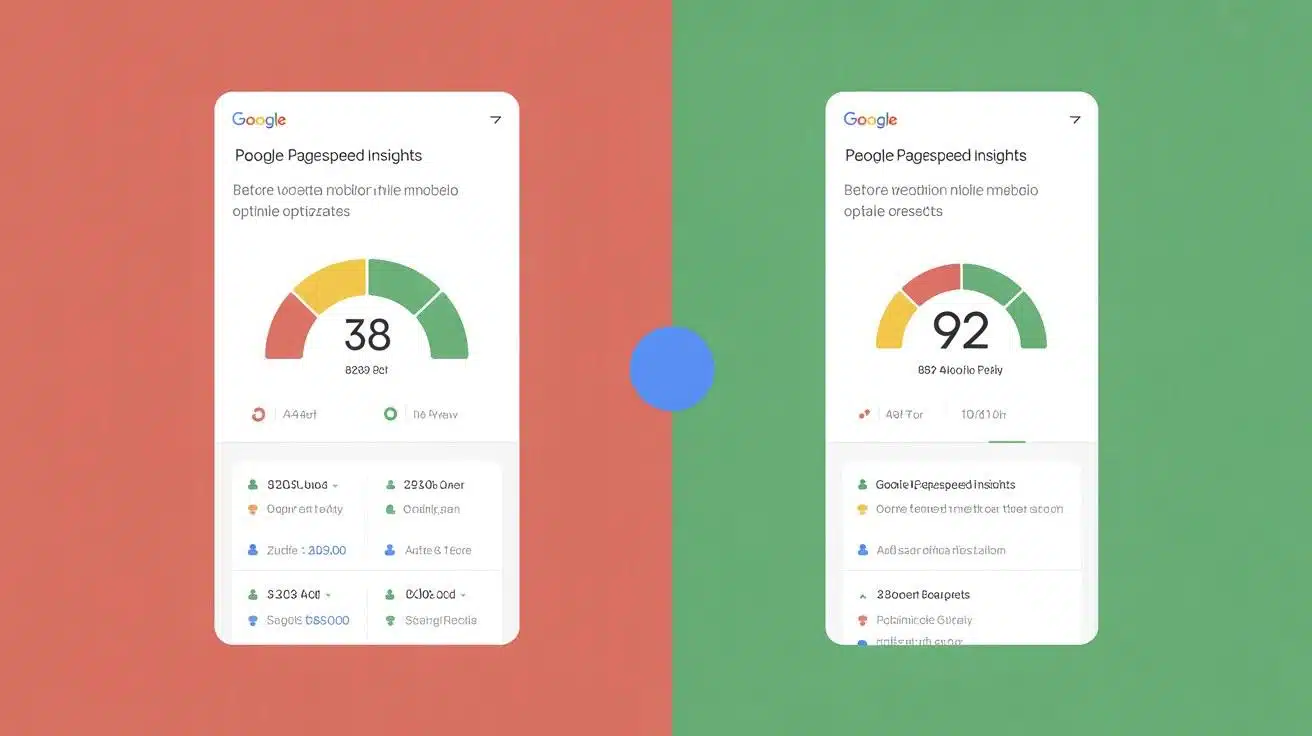
- Site audit: A technical review identifies current page speed scores, mobile usability errors, and layout issues. Tools like Google Search Console and PageSpeed Insights produce a baseline score out of 100.
- Priority list: Not all fixes are equal. Image compression and caching fixes often deliver the fastest speed gains, while full responsive redesigns take longer but address structural problems.
- Development and redesign: A developer implements the changes, which may include rebuilding page templates, rewriting CSS for responsive breakpoints, or migrating to a mobile-first theme.
- Cross-device testing: The updated site is tested on at least 5 real device types, including both iOS and Android, to catch layout bugs that emulators miss.
- Performance verification: Final Core Web Vitals scores are checked. A well-optimized site should score above 70 on Google’s PageSpeed Insights mobile test, with 90+ being the target for competitive limo SEO markets.
- Ongoing monitoring: Mobile performance can degrade over time as plugins update or new content is added. Monthly checks keep scores from slipping.
We see this pattern consistently across projects: sites that skip the audit phase and jump straight to a new theme often still score below 50 on mobile speed tests because the underlying image and caching problems were never addressed.
What does mobile optimization cost, and what drives the price?
In the regional market, mobile optimization projects typically range from $500 to $5,000 or more, depending on whether the work involves a targeted speed fix, a partial redesign, or a full rebuild of the site.
The factors that move the price most significantly include:
- Scope of work: A speed-only optimization (image compression, caching, code minification) costs far less than a full responsive redesign from scratch.
- Platform: WordPress sites generally cost less to optimize than custom-coded platforms. Limousine website templates built on page builders like Elementor may need significant rework to pass Core Web Vitals.
- Content volume: A site with 50 pages takes longer to audit and fix than a 5-page service site.
- Booking integrations: Limo and car service sites often include reservation forms or third-party booking widgets. Making these work smoothly on mobile adds complexity and time.
- Ongoing SEO: Limo SEO services that include monthly monitoring and content updates are priced differently than a one-time optimization project.
| Project Type | Typical Market Range | Best For |
|---|---|---|
| Speed optimization only | $500 – $1,200 | Sites with good design but slow load times |
| Responsive redesign (existing content) | $1,500 – $3,500 | Sites that break on mobile screens |
| Full mobile-first rebuild | $3,000 – $6,000+ | Outdated sites needing a complete overhaul |
| Ongoing limo SEO services + mobile monitoring | $300 – $900/month | Businesses wanting sustained search visibility |
For a custom quote based on your specific site, contact Dreem Websites directly rather than estimating from ranges alone. Scope always determines the final number.

How long does mobile optimization take to show results?
Technical fixes like image compression and caching can improve page speed scores within 24 to 48 hours of deployment. Improvements in Google search rankings from those speed gains typically take 4 to 12 weeks to appear, because Google needs to recrawl and re-evaluate your site.
For limo web design projects involving a full responsive rebuild, the development phase alone typically takes 2 to 6 weeks depending on site size. Testing and launch add another 1 to 2 weeks. Businesses should plan for a total timeline of 6 to 10 weeks from project start to live deployment on larger builds.
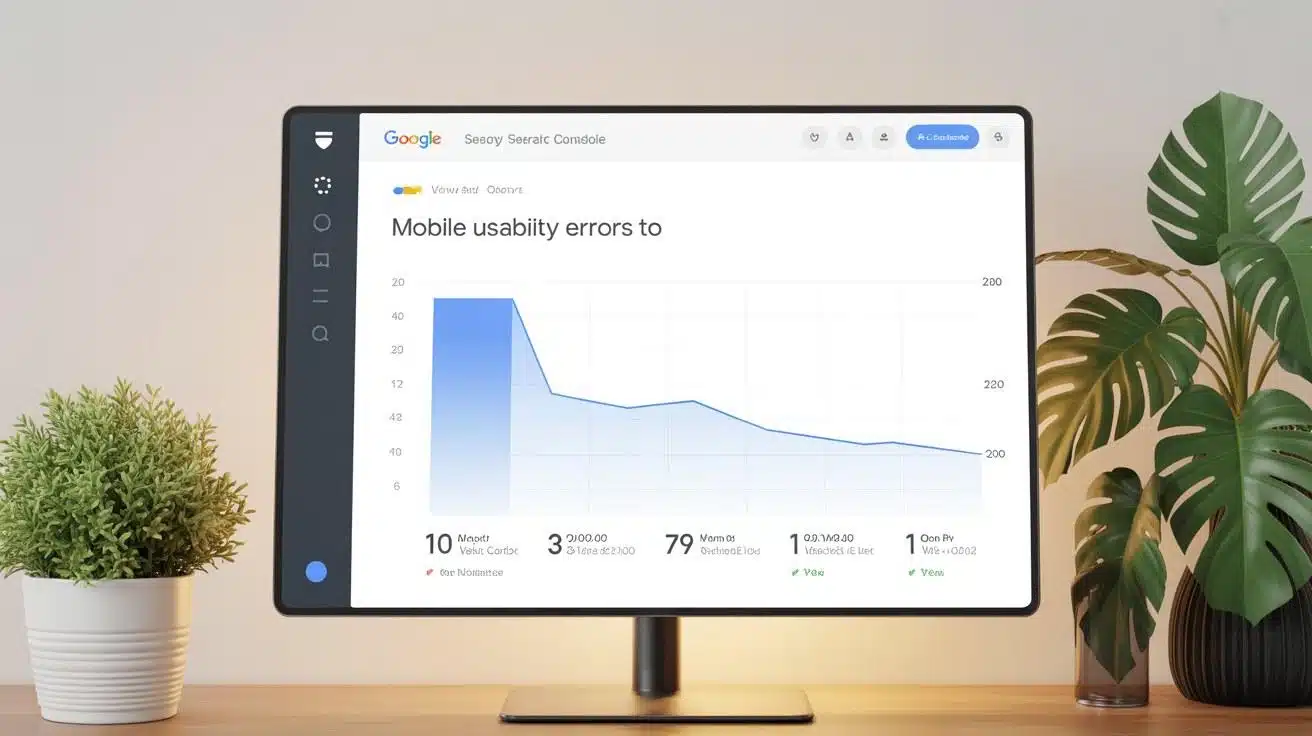
Across our projects, sites that complete both speed optimization and responsive design updates see Google Search Console mobile usability errors drop to zero within 30 days of launch, which is the clearest early indicator that rankings will follow.
Sites that complete both speed optimization and responsive design updates see Google Search Console mobile usability errors drop to zero within 30 days of launch.
What are the most common mobile optimization mistakes service businesses make?
The most damaging mistake is assuming a site is mobile-friendly because it looks acceptable on one phone. True mobile optimization requires testing across multiple devices, screen sizes, and connection speeds.
- Using uncompressed images: A single hero photo over 1MB can add 2 or more seconds to load time on a mobile connection, tanking your Core Web Vitals score.
- Relying on pop-ups: Google penalizes sites that show large interstitial pop-ups on mobile, which is a direct ranking factor as of 2022 per Google’s intrusive interstitials policy.
- Ignoring click-to-call: Limo and car service customers on mobile want to book by phone. A phone number displayed as plain text instead of a tappable link loses bookings every day.
- Slow third-party scripts: Booking widgets, chat tools, and review badges loaded from external servers can each add 0.5 to 1.5 seconds of load time if not managed correctly.
- No ongoing monitoring: A site that scores 85 on PageSpeed Insights today can drop to 55 within 6 months as plugins update and new images are added without optimization.
- Skipping local SEO alignment: Mobile optimization and limo SEO work together. A fast site with no locally relevant content still won’t rank for searches in your service area.
How do you choose the right mobile optimization provider for your limo business?
The right provider demonstrates results with actual PageSpeed Insights scores and Google Search Console data from past clients, not just before-and-after screenshots of how a site looks.
When evaluating a limo web design or mobile optimization agency, ask these specific questions:
- What was the mobile PageSpeed Insights score before and after your last 3 projects?
- Do you test on real devices or only browser emulators?
- How do you handle booking integrations and third-party scripts on mobile?
- Do you provide monthly Core Web Vitals monitoring after launch?
- Can you show examples of limousine website design or service business sites you’ve optimized?
A provider who can answer all five questions with specifics and data is far more likely to deliver measurable results than one who speaks only in general terms about mobile-friendly design. Dreem Websites specializes in limo website design and mobile-first builds for service businesses, with a focus on measurable speed and ranking improvements.

Get started with mobile optimization for your website
A slow, hard-to-use mobile site costs your limo or service business real bookings every single day. The fix is not complicated, but it does require the right sequence of technical work done by someone who understands both mobile performance and limo SEO.
Request a free mobile audit from Dreem Websites today. You’ll get a clear picture of where your site stands, what needs to change, and what a realistic project looks like for your specific situation. Call (818) 699-6244 to get started or to ask questions about your current site’s performance.
Frequently Asked Questions
How do I know if my limo company website needs mobile optimization?
Run your website URL through Google's free PageSpeed Insights tool and check the mobile score. A score below 50 means your site has significant performance problems that are likely hurting your search rankings and costing you bookings. You can also open your site on your own phone and see if text is too small to read, buttons are hard to tap, or the page takes more than 3 seconds to load. Dreem Websites offers a free mobile audit if you want a professional assessment — call (818) 699-6244.
Will mobile optimization actually help my limo business show up higher on Google?
Yes, directly. Google uses mobile-first indexing, which means it ranks websites based on how the mobile version performs, not the desktop version. Improving your mobile page speed and fixing usability errors are among the highest-impact changes you can make for limo SEO. Most businesses see measurable ranking improvements within 4 to 12 weeks after a proper mobile optimization project is completed.
How much does it cost to get a limousine website redesigned for mobile?
In the regional market, a responsive redesign of an existing limousine website typically ranges from $1,500 to $3,500, while a full mobile-first rebuild can run $3,000 to $6,000 or more depending on the number of pages and integrations like booking systems. A targeted speed-only optimization is usually $500 to $1,200. The best way to get an accurate number is to request a custom quote from Dreem Websites at (818) 699-6244, since scope determines the final cost.
What is a Core Web Vitals score and why should my limo business care about it?
Core Web Vitals are three specific speed and usability measurements Google uses as ranking signals: LCP (how fast your main content loads), FID (how quickly the page responds to a tap or click), and CLS (how much the layout shifts while loading). Google made Core Web Vitals an official ranking factor in 2021, and sites that score poorly on mobile are at a disadvantage in local search results. For a limo or car service business competing for bookings online, a weak Core Web Vitals score is a direct competitive disadvantage.
Can I just use a limousine website template instead of a custom mobile optimization project?
A quality limousine website template built on a mobile-first framework can be a good starting point, but templates alone don't guarantee fast load times or strong Core Web Vitals scores. Many popular page-builder templates load heavy scripts that slow mobile performance significantly. Whether you use a template or a custom build, the site still needs image optimization, caching configuration, and mobile usability testing to perform well in search. Dreem Websites can evaluate any template-based site and recommend the most cost-effective path to mobile optimization.