

Website Redesign in Los Angeles: How to Know When Your Site Is Ready for a Full Overhaul
A slow, outdated website costs Los Angeles businesses real customers every day. This guide helps you decide when a patch-up is not enough and a full website redesign is the right move.

What Is a Website Redesign and Why Does It Matter in Los Angeles?
A website redesign is a full rebuild of your site’s structure, visuals, and content strategy, not just a fresh coat of paint. In a market as competitive as Los Angeles, an outdated site can quietly drain your revenue for months before you notice.
Los Angeles is home to more than 3.8 million residents and one of the densest concentrations of small businesses in the country. Whether you serve clients in Silver Lake, the South Bay, or downtown, your website is often the first impression you make. A site that looked sharp in 2019 can feel stale and untrustworthy by 2025 standards.
A redesign is not the same as a minor refresh. Swapping a hero image or updating a phone number is a refresh. A redesign means rethinking your site architecture, user flow, mobile experience, and brand messaging from the ground up. For many Los Angeles businesses, that level of work is exactly what separates a site that generates leads from one that just exists.
For a deeper look at what the process involves end to end, see The Complete Guide to Website Redesign on the Dreem Websites blog. This article focuses on the decision framework: how to know when the time is right and how to move forward confidently.
How Do You Know When It Is Time for a Full Website Redesign?
Most websites need a full redesign every 3 to 5 years. If your site is older than that, or if it fails on any of the core performance signals below, a redesign is likely overdue.
Use this decision framework to evaluate your current site honestly:
- Mobile performance: As of 2024, more than 60 percent of web traffic comes from mobile devices. If your site is not optimized for phones, you are losing more than half your potential visitors before they read a single word.
- Page load speed: Google recommends a load time under 3 seconds. Sites that load in 5 seconds or more see bounce rates climb significantly. A full redesign lets you rebuild on a fast, modern foundation.
- Conversion rate: If visitors land on your site but do not call, book, or buy, the design is working against you. A redesign can restructure your calls to action, layout, and messaging to fix this.
- Brand mismatch: If your website no longer looks like your business, customers sense the disconnect. A redesign brings your online presence in line with who you are today.
- Content management: If updating a page requires a developer every time, your CMS is holding you back. A modern redesign puts you in control.
- Security and hosting: Older sites often run on outdated hosting plans or CMS versions with known vulnerabilities. A redesign is the right moment to move to a secure, well-supported platform.
We ask for analytics access before quoting a redesign, because the pages a client wants to cut are often the ones bringing the most traffic. That data shapes every structural decision we make.
What Does a Website Redesign in Los Angeles Actually Cost?
In the Los Angeles market, a professional website redesign typically ranges from around $3,000 for a straightforward small-business site to $20,000 or more for a complex e-commerce or multi-location build. Several factors move that number up or down.
In the Los Angeles market, a professional website redesign typically ranges from around $3,000 for a straightforward small-business site to $20,000 or more for a complex e-commerce or multi-location build.
| Factor | How It Affects Cost |
|---|---|
| Number of pages | More pages mean more design, copy, and development time. A 5-page site costs far less than a 50-page site. |
| E-commerce functionality | Product catalogs, payment gateways, and inventory systems add significant scope. |
| Custom design vs. template | Fully custom design work commands a premium but produces a more distinctive result. |
| SEO and content strategy | Including keyword research, on-page SEO, and new copy adds cost but also drives long-term ROI. |
| Integrations | CRM connections, booking systems, and third-party tools each add development hours. |
| Timeline | Rush projects typically carry a premium of 20 to 30 percent over standard timelines. |
Keep in mind that hosting is a recurring cost separate from the design fee. Managed WordPress hosting in this market generally runs $20 to $100 per month depending on traffic and support level. A well-scoped redesign pays for itself when it converts visitors into customers at a meaningfully higher rate.
To get a number specific to your project, request a custom quote from Dreem Websites by calling (818) 699-6244.

How Do You Redesign a Website Without Losing Your SEO?
Protecting your SEO during a redesign requires a clear plan before a single page goes live. Skipping this step is one of the most expensive mistakes a Los Angeles business can make.
Here is the process that protects your search rankings through a redesign:
- Crawl and document your current site. Before anything changes, map every URL, page title, meta description, and inbound link. This is your baseline.
- Identify your top-performing pages. Use Google Search Console or analytics data to find which pages drive the most organic traffic. These pages need the most careful handling.
- Set up 301 redirects. Any URL that changes during the redesign must redirect to its new equivalent. Missing redirects send both users and Google to dead pages, which erases ranking authority built over years.
- Preserve on-page SEO elements. Title tags, H1 headings, image alt text, and internal linking structures should carry forward intentionally, not be rebuilt from scratch without reference to what was working.
- Test on a staging environment. Never launch a redesigned site directly. Test all redirects, forms, and page speeds on a staging server before going live.
- Submit an updated sitemap. After launch, submit the new XML sitemap to Google Search Console so the updated pages are crawled and indexed quickly.
Businesses that skip the redirect and crawl steps often see organic traffic drop by 30 to 50 percent in the weeks after launch. Recovery can take 3 to 6 months. A structured approach prevents that entirely.
Businesses that skip the redirect and crawl steps often see organic traffic drop by 30 to 50 percent in the weeks after launch.

How Do You Choose the Right Web Design Agency in Los Angeles?
Choosing a web design agency in Los Angeles comes down to three things: proven local experience, a transparent process, and the ability to handle SEO alongside design. The market is crowded, so knowing what to look for saves you from a costly mismatch.
Here is what to evaluate before signing with any agency:
- Portfolio relevance: Look for work in your industry or a similar one. A portfolio built around restaurant sites may not translate well to a professional services firm in Pasadena or a retail brand in Culver City.
- SEO capability: Design and SEO must be built together, not bolted on after launch. Ask specifically how the agency handles redirects, page speed, and on-page optimization during a redesign.
- CMS flexibility: You should be able to update your own content after launch. Ask which CMS the agency builds on and whether you will receive training.
- Analytics and reporting: A good agency sets up tracking before launch and provides reporting after. You should be able to see how the redesign affects traffic and conversions within the first 30 days.
- Communication and timeline: Get a written project timeline. Vague timelines are a common source of delays and budget overruns.
- Local knowledge: An agency that understands the Los Angeles market, including the competitive landscape across industries from entertainment to professional services, brings context that a remote generalist does not.
Dreem Websites combines custom design, SEO strategy, mobile optimization, and analytics setup into a single integrated process. That means your new site is built to rank and convert from day one, not just look good in a screenshot.
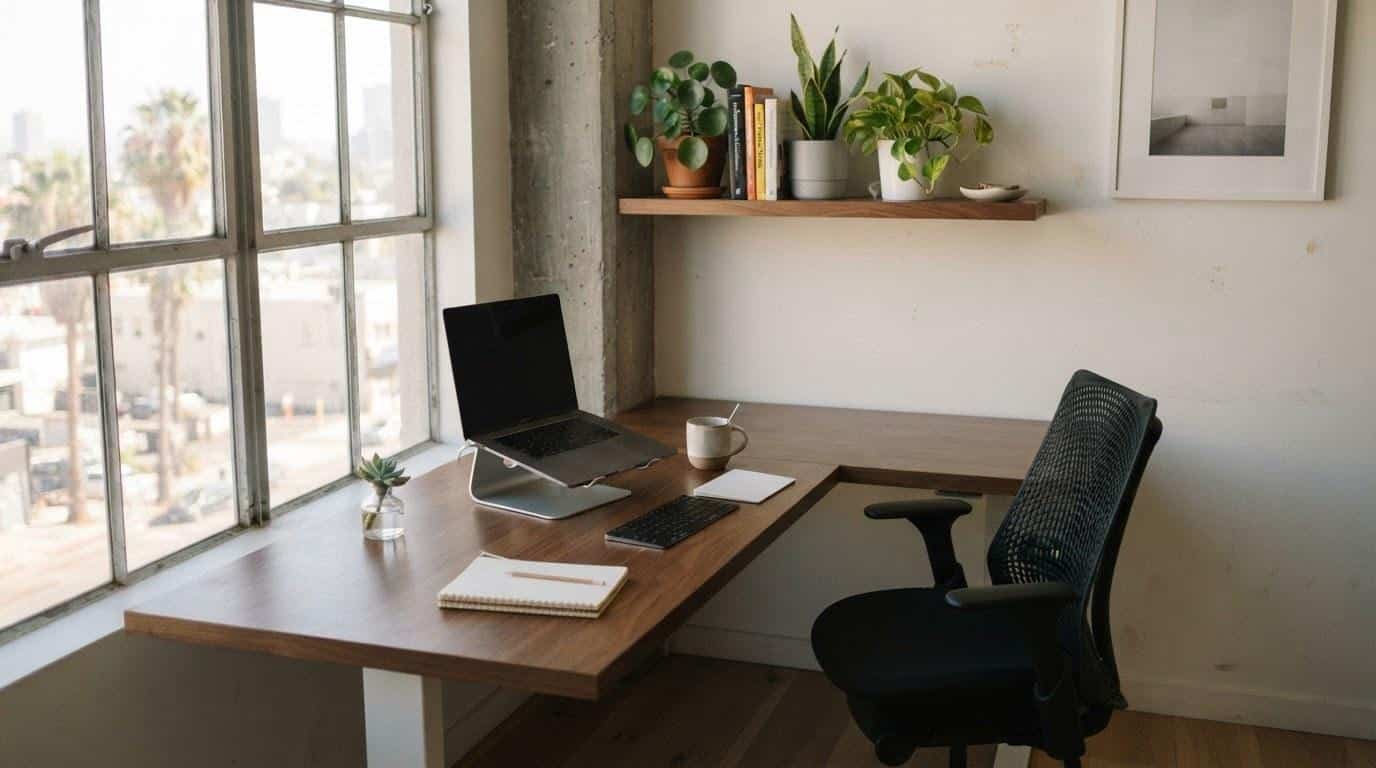
Get Your Website Redesign Started in Los Angeles
A website redesign in Los Angeles is one of the highest-leverage investments a local business can make. Whether your site is 4 years old and starting to show its age, or 8 years old and actively costing you customers, the right time to act is before a competitor’s newer site pulls your leads away.
Dreem Websites handles every stage of the redesign process, from the initial audit and strategy through design, development, SEO migration, and post-launch reporting. Call (818) 699-6244 to request a custom quote, or reach out online to start the conversation. Your next site should work as hard as you do.
Frequently Asked Questions
How much does a website redesign usually cost in Los Angeles?
In the Los Angeles market, a professional website redesign typically ranges from around $3,000 for a simple small-business site to $20,000 or more for a complex e-commerce or multi-location build. The biggest cost drivers are the number of pages, whether e-commerce is involved, and how much custom design work is needed. To get a number specific to your project, contact Dreem Websites at (818) 699-6244 for a custom quote.
How often should a Los Angeles business redesign its website?
Most businesses benefit from a full website redesign every 3 to 5 years. If your site is older than that, runs slowly on mobile, or no longer reflects your current brand and services, it is likely time to act. Waiting too long can cost you search rankings and customer trust in a competitive market like Los Angeles.
How do you redesign a website without losing your SEO rankings?
The key is to plan before you build. Before any pages change, crawl your current site, document every URL, and identify your top-performing pages in Google Search Console. Set up 301 redirects for any URLs that will change, preserve your title tags and on-page SEO elements, and test everything on a staging server before launch. Submitting an updated sitemap to Google Search Console right after launch helps the new pages get indexed quickly.
What is the difference between a website refresh and a full redesign?
A refresh involves small updates like swapping images, changing colors, or updating contact information. A full redesign rebuilds the site's structure, user flow, mobile experience, and content strategy from the ground up. If your site has conversion problems, loads slowly, or no longer matches your brand, a refresh will not solve those issues and a full redesign is the right investment.
How do I choose a web design agency in Los Angeles?
Look for an agency with a relevant portfolio, clear SEO capabilities built into the design process, and a transparent project timeline. Ask how they handle URL redirects during a redesign and whether they provide analytics reporting after launch. A local agency familiar with the Los Angeles market, like Dreem Websites, brings context about local competition and customer behavior that a remote generalist cannot match.